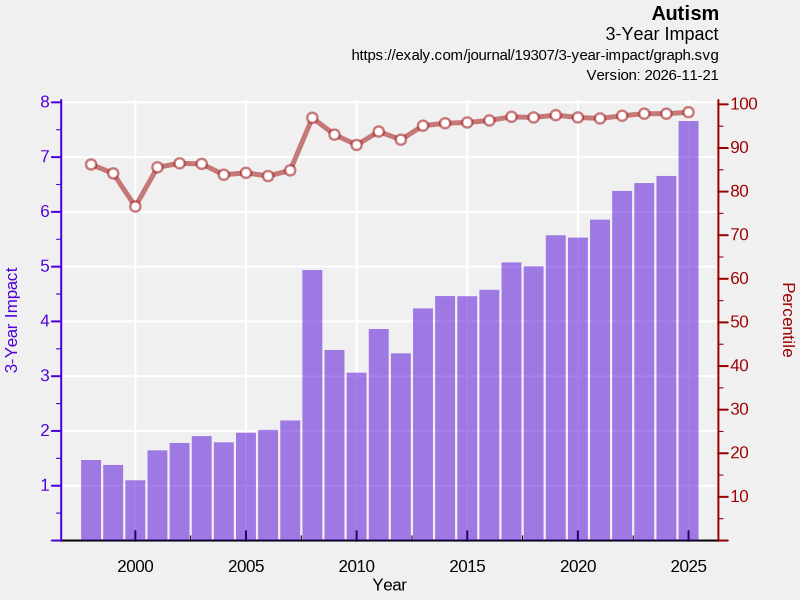
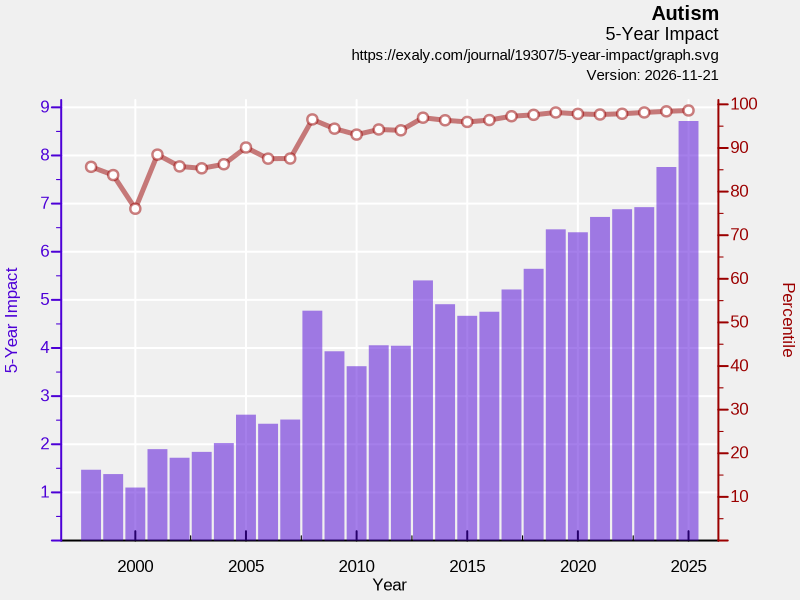
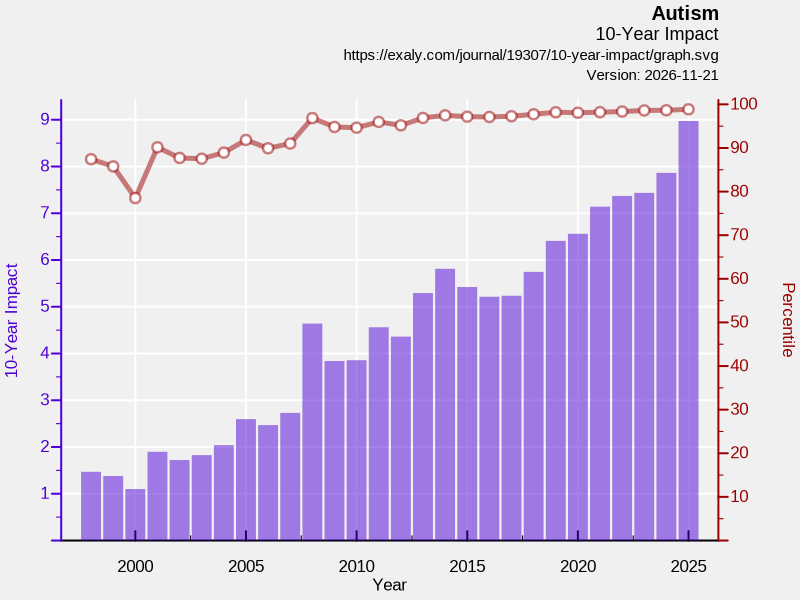
Why a longer window changes the picture
The 2-year impact counts citations to the two preceding years only, which suits fields that cite quickly and penalises those that do not. Widening the window to three, five and ten years lets slower literatures show their real reach, and shows whether a journal's influence keeps accumulating or fades once the work stops being new. Reading the three together is more informative than any one of them.
How are the 3-, 5- and 10-year impacts calculated?
The N-Year Impact for year X equals the citations received in year X to items published in years X-1 through X-N, divided by the number of citable items published in those N years.
How should I interpret long-window impacts?
Longer windows (3-, 5-, 10-year) emphasize sustained influence and reduce volatility. Use them to compare journals within the same field rather than across fields.